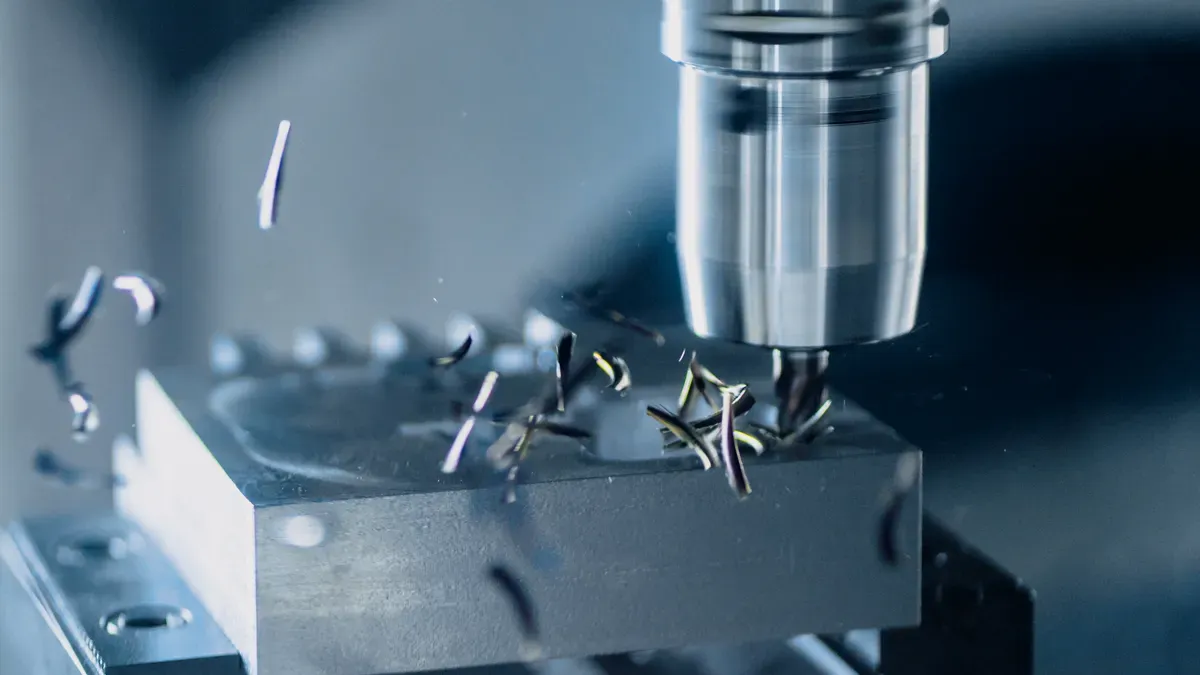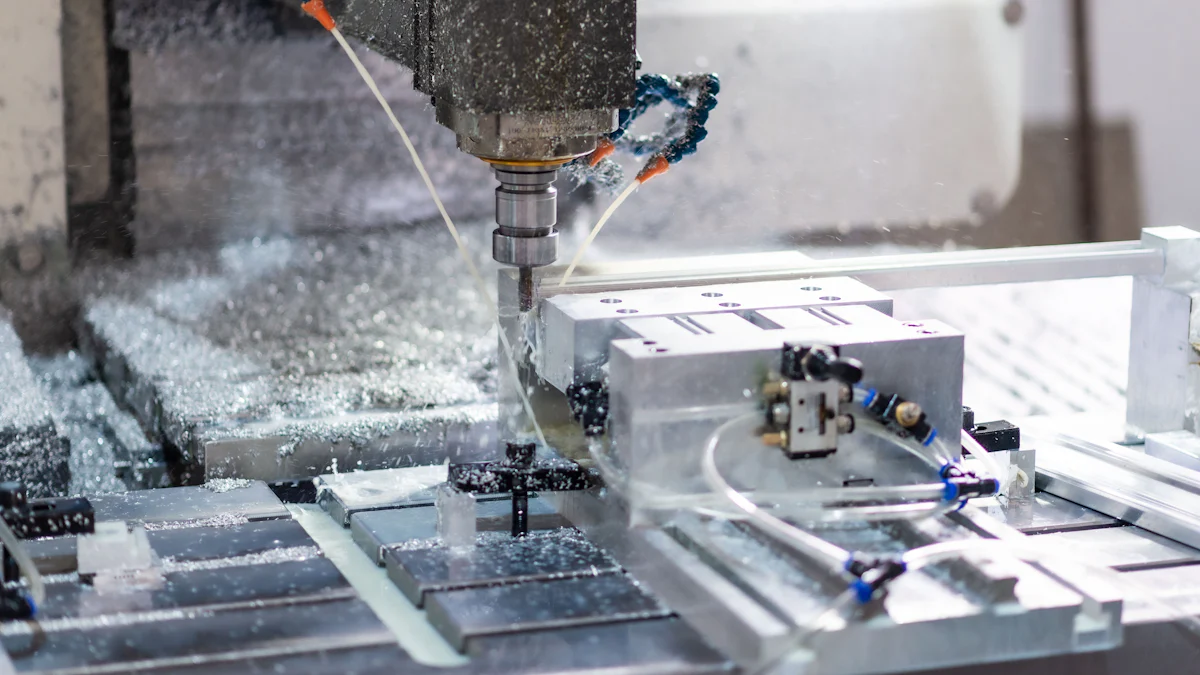
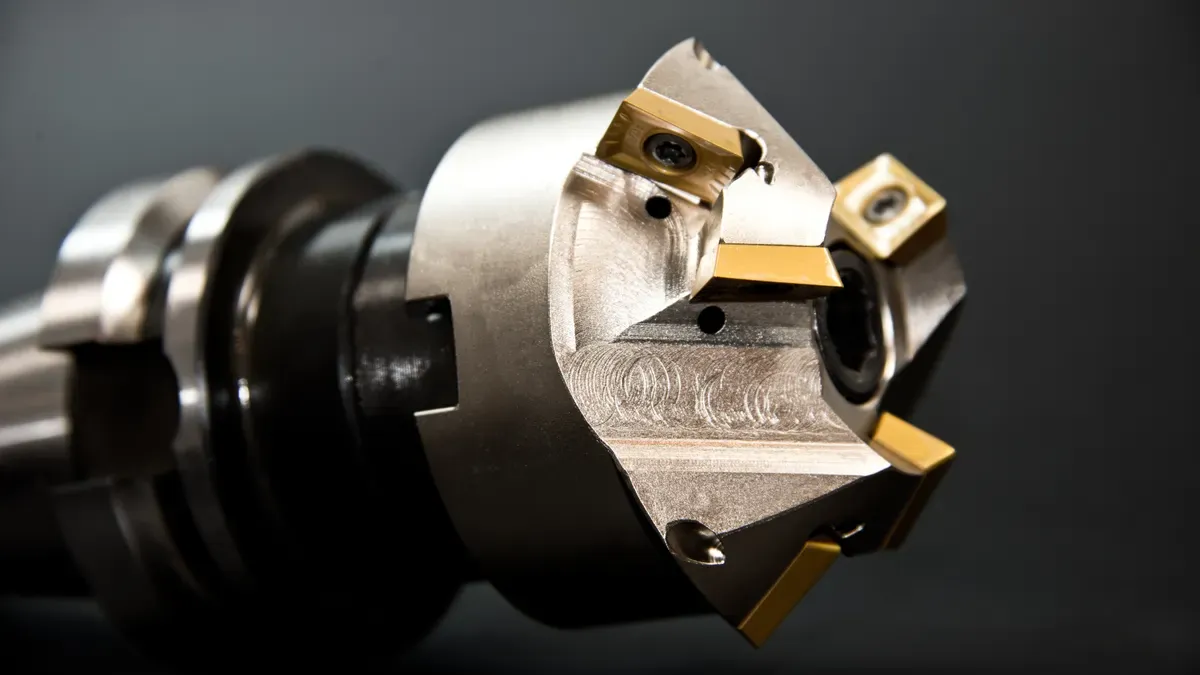
3-axis machining works well for simple, flat, block-like parts and larger production runs. 5-axis work, whether indexed or continuous, fits complex shapes with many faces, tight tolerances, and fewer setups. This article compares three processes: 3-axis, 5-axis indexed (also called 3+2), and continuous 5-axis. Each one is the right choice for different kinds of work. The goal here is a practical way to choose based on part complexity, tolerance, production volume, and budget, not one single best answer. General engineering guidance stays separate from Koonze capabilities. Any Koonze capability claim appears with a [KOONZE INPUT NEEDED] marker, pending verification. Readers should treat this CNC machining comparison as a reviewable draft.
Key Takeaways
3-axis machining works best for simple, flat parts and for making many of the same part at once.
5-axis indexed machining handles complex parts that have features on many faces. It also cuts down on the number of setups.
Continuous 5-axis machining makes the smoothest curves and the tightest tolerances for complex shapes.
When choosing a process, compare the total cost per part, not just the hourly machine rate.
Always put the tolerance standard and class on your drawing before you ask for a quote.
CNC Machining Processes Comparison
3-Axis, 5-Axis Indexed, and Continuous 5-Axis Defined
A 3-axis machine moves the cutting tool in three straight directions. The spindle travels in X, Y, and Z, and the workpiece stays fixed in one position. This setup works well for flat plates, pockets, and block-shaped parts. A 3-axis machining center handles one face at a time, so the operator must re-fixture the part to reach other sides.
A 5-axis indexed machine adds two turning axes to the same three straight directions. The table or spindle tilts and turns the workpiece to a new angle, then locks it in place. Cutting happens after the reposition, not during it. Shops call this 5-axis indexed machining, 3+2 machining, or 5-axis indexed milling. Each name describes the same idea: position, clamp, then cut.
Continuous 5-axis machining moves all five axes at the same moment. The tool follows a curved path while the workpiece tilts and turns. This is true 5-axis machining, and it allows undercuts, deep cavities, and sculpted surfaces in a single setup.
The Coordinate Axes Explained
Every CNC machine builds on linear axes X, Y, and Z. The rotational axes carry the letters A, B, and C. Axis A rotates around X, axis B rotates around Y, and axis C rotates around Z. A 5-axis machine uses any two of these three rotational axes, and the pair depends on the machine design. Units are degrees, and direction follows the right-hand rule: a positive rotation turns counterclockwise when viewed from the positive end of the parent axis.
These five axes give the tool five degrees of freedom relative to the workpiece. That freedom separates the three cnc machining processes in this cnc machining processes comparison. A 3-axis control offers three linear moves only. A 5-axis CNC machining center adds two rotational axes, and the rotation of those axes defines the difference between indexed and continuous work. This cnc machining processes comparison treats the definitions as general engineering guidance, not as a machine specification.
3-Axis vs. 5-Axis Indexed vs. 5-Axis Continuous
Part Geometry and Tool Access
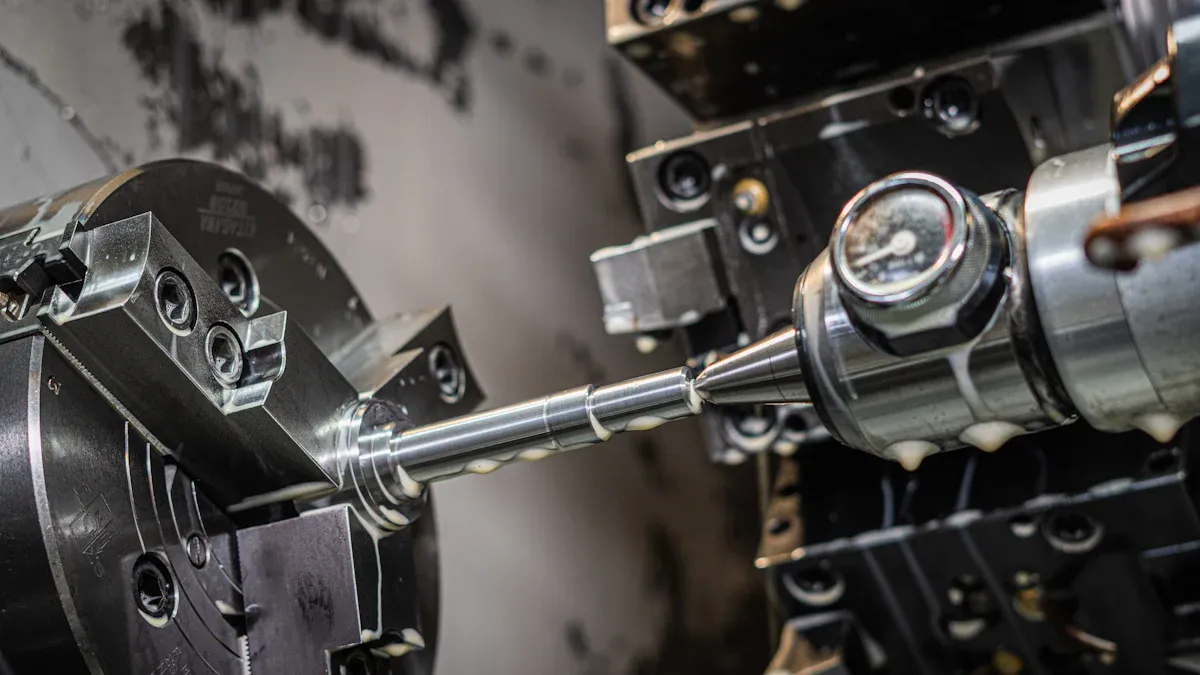
The shape of the part is the first thing to think about in any 3-axis vs 5-axis cnc machining review. A 3-axis machine can only reach one face at a time. Flat plates, pockets, slots, and block-like parts work well with this setup. The tool comes at the work from just one direction, so any feature on a side wall or a slanted face needs a new fixture setup.
A 5-axis indexed machine tilts the part to a new angle and locks it in place. The tool then cuts a second or third face without the operator having to rebuild the setup. Multi-face housings, angled ports, and cross-drilled blocks fit this pattern. Indexed work still limits the cut to one orientation at a time, so it handles slanted surfaces in steps rather than in one sweep.
Continuous 5-axis machining opens up the hardest shapes. The tool and the part move together, so the cutter can reach undercuts, deep cavities, and blended contours. Impellers, turbine blades, and sculpted mold cores belong here. This is true 5-axis machining, and it gets rid of the reach limits that block 3-axis work on complex shapes.
Tool access follows the same logic. A 3-axis setup leaves long tools prone to bending in deep pockets. A tilting head shortens the effective reach and makes the cut more rigid. That change improves both access and finish on non-orthogonal surface machining.
Tolerances and Surface Finish
Tolerance numbers depend on the standard, the material, and the feature. ISO 2768 sets general tolerances in four classes (f, m, c, v), and the class you pick controls the allowed deviation for linear and angular dimensions. ASME Y14.5 covers geometric dimensioning and tolerancing, including flatness, position, and profile. A shop should state which standard and which class apply before quoting any number.
Under those conditions, typical ranges look like this. A 3-axis process on a rigid setup with a stable material can hold general tolerances to the ISO 2768 medium class, with tighter values on request. A 5-axis indexed setup cuts down the number of re-clamps, so stacked tolerances shrink and position accuracy gets better across faces. Continuous 5-axis machining holds the tightest profile tolerances on curved surfaces, because the tool stays in contact along the whole path.
Surface finish follows the same pattern. A 3-axis cut leaves step marks where the tool changes direction. Indexed work blends faces better, and continuous motion produces the smoothest contours. Material datasheets set the achievable finish for each alloy, and the shop should confirm the value against the drawing before release. Koonze publishes its own tolerance and finish ranges separately [KOONZE INPUT NEEDED].
Advantages of Each Process
Where 3-Axis Wins
3-axis machining wins because it is simple and quick to program. A flat plate with pockets, slots, and drilled holes needs only one or two setups, and the toolpath stays short. The programmer writes easy code, and the operator loads the part with standard fixtures. This low overhead makes 3-axis machining the practical choice for brackets, base plates, and enclosure panels.
Cost favors this process on larger runs. A 3-axis machine costs less to buy, run, and maintain than a 5-axis machine. Setup time stays short on simple geometry, so the per-part cost drops as volume rises. Shops also find it easier to staff and schedule, because more operators train on 3-axis equipment. For a part with features on one face, the extra axes of a 5-axis machine add cost without adding value.
Where 5-Axis Excels
The pros of 5-axis machining center on reach and setup reduction. A tilting table or head brings five sides of a part under the tool in one clamping. This single-setup machining removes re-fixture errors, so position accuracy across faces improves. Complex housings, angled ports, and cross-drilled blocks finish faster with fewer handling steps.
Continuous 5-axis machining also handles shapes that no 3-axis setup can reach. Undercuts, deep cavities, and blended contours become cuttable in one pass. The tool stays short and rigid, which improves finish on sculpted surfaces. These strengths matter most in aerospace, medical, and mold work, where geometry is complex and volumes are low.
Among the cnc machining processes compared here, 5-axis machining carries higher programming and equipment cost. That trade-off pays back when setups dominate the schedule. Koonze offers 5-axis work within a stated capability range [KOONZE INPUT NEEDED].
Limitations and Cost Trade-Offs
Equipment, Programming, and Setup Costs
A 5-axis machine costs more to buy than a 3-axis machine with a similar work area. The rotary table or tilting head adds more moving parts, and that raises upkeep costs over the machine’s life. A shop also needs CAM software that supports multi-axis toolpaths. Programmers must learn collision checking and post-processor setup before they can run parts safely.
Programming time goes up as the number of axes grows. A simple pocket on a 3-axis machine takes a short toolpath and little checking. A continuous toolpath on a 5-axis machine needs simulation, stock-model checks, and careful clearance planning. These hours end up in the quoted price, even when the cut itself is fast.
Setup cost goes the other way. A tilting table brings five faces under the tool in one clamp, so fewer setups make up for part of the programming load. The downsides of 5-axis machining mostly show up on simple parts, where extra axes add cost without removing any handling step. Koonze quotes each job against its own process plan [KOONZE INPUT NEEDED].
Production Volume Effects
Volume shifts the balance between the cnc machining processes. On a low-volume run of a complex housing, 5-axis machining wins on total cost. Fewer fixtures, fewer re-clamps, and shorter handling time cut the hours per part. The savings grow as shapes get harder to reach.
High-volume simple parts favor 3-axis machining. A bracket with features on one face needs one setup, and the short cycle repeats thousands of times. Here a 3-axis machine gives the lowest cost per part, because the shop spreads fixture and programming cost across a long run. Buyers should compare total cost per part, not just the hourly machine rate. A slow 3-axis cycle on a simple part often beats a fast 5-axis cycle plus its programming overhead.
CNC Machining Comparison
Decision Table by Part and Volume
A decision table helps buyers compare the three processes side by side. The table below sums up general engineering guidance. It is not a universal standard, and it does not describe Koonze capability data. Tolerance and finish entries stay qualitative on purpose. Actual values depend on the drawing, the material datasheet, and the tolerance class chosen under ISO 2768 or the GD&T scheme defined in ASME Y14.5.
Criterion | 3-Axis | 5-Axis Indexed (3+2) | Continuous 5-Axis |
|---|---|---|---|
Part geometry | Flat, prismatic, single-face features | Multi-face housings, angled ports, cross-drilled blocks | Sculpted contours, undercuts, impellers, mold cores |
Setups per part | One per face; several re-clamps | One clamp covers five faces | One clamp, complex path in a single setup |
Tolerance | General tolerances per ISO 2768 class; stacked error grows with each re-clamp | Better position accuracy across faces; fewer stacked errors | Tightest profile tolerance on curved surfaces |
Surface finish | Visible step marks at direction changes | Blended faces at each index position | Smoothest contours from continuous tool contact |
Relative cost | Lowest equipment and programming cost | Moderate; higher machine rate, lower handling time | Highest programming and equipment cost |
Best-fit use | Simple parts, high-volume runs | Complex multi-face parts, low to medium volume | Hardest shapes, low volume, tight precision |
Think of the table as a starting point, not a final answer. A part with one flat face and a long production run points to 3-axis work. A housing with ports on four sides points to 5-axis indexed machining. A blade with a twisted surface points to continuous motion. This cnc machining comparison table backs up the cnc machining processes comparison built earlier in the article. Buyers should check every tolerance and finish value against the applicable standard and the material datasheet before release. Koonze process capabilities for each category need separate verification [KOONZE INPUT NEEDED].
Applications by Industry
Simple Parts and High-Volume Production
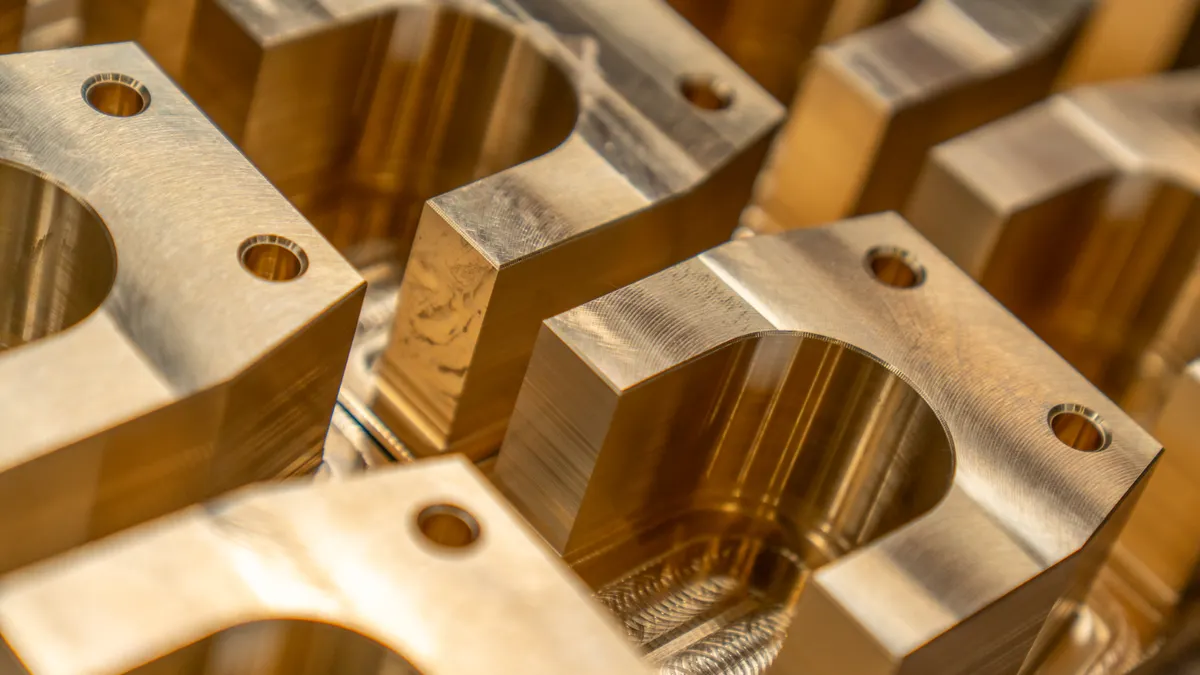
High-volume work rewards speed and repeatability. A mounting bracket with pockets and holes on one face needs a single setup. The operator clamps the blank, runs a short toolpath, and unloads the finished part. 3-axis machining fits this pattern well, because the cycle repeats without any repositioning. Enclosure panels, base plates, and heat-sink blocks follow the same logic. Each part has features on one side, and the shop can run them on a fixed table with standard vises.
Setup notes matter here. The programmer should group tools by size, keep the toolpath short, and design fixtures that load the same way every time. A repeatable fixture cuts load time and protects accuracy across a long run. Buyers should compare total cost per part, not the hourly machine rate alone. A simple part on a 3-axis machine often costs less than the same part on a 5-axis machine, because the extra axes add programming hours without removing any handling step.
Aerospace, Medical, and 5-Axis Work
Complex, multi-surface components push past what a fixed table can reach. Consider an aluminum housing with ports on four sides and a slanted mounting face. A 3-axis setup needs four re-clamps, and each re-clamp adds stacked error. A 5-axis indexed machining center tilts the part to each angle and locks it, so one clamp covers five faces. The operator probes the datum once, and position accuracy across faces improves.
Continuous motion suits harder shapes. An impeller with twisted blades, a turbine blade with a blended root, or a mold core with deep ribs needs the tool to follow a curved path. Here 5-axis cnc machining keeps the cutter short and rigid, and the surface finish improves along the whole contour. Medical instruments with compound angles follow the same rule. These complex and multifaceted components justify the higher programming cost, because fewer setups and tighter profile control pay back on low volume.
Koonze offers 5-axis indexed milling and continuous work within a stated range. The shop’s capabilities for each category need verification before release [KOONZE INPUT NEEDED]. Buyers should confirm the 5-axis capability range and the tolerance class against ISO 2768 or the GD&T scheme in ASME Y14.5 before they approve a drawing.
How to Choose
Evaluate Features, Tolerance, and Volume
A buyer can answer most process questions with a short, step-by-step review. The steps below keep the decision tied to the drawing, not to machine brochures.
List every feature and the face it sits on. Count the setups a fixed table would need. One face points to 3-axis work. Four or five faces point to indexed 5-axis work. Twisted or undercut surfaces point to continuous motion.
Sort the material. Aluminum, brass, and mild steel cut easily on any platform. Hardened tool steel, titanium, and nickel alloys raise cutting forces and tool wear. The shop should check speeds and feeds against the material datasheet before quoting.
Set the precision need. Name the standard and the class. ISO 2768 covers general tolerances in classes f, m, c, and v. ASME Y14.5 covers GD&T callouts such as position and profile. A drawing with no stated class invites disagreement later.
Look at the production volume. Low volume with complex geometry rewards fewer setups. High volume with simple geometry rewards short, repeatable cycles.
Check the budget last. Equipment rate, programming hours, and fixture cost together set the real price per part.
A worked example shows the logic. An aluminum sensor housing has bores on four sides and a slanted face. A fixed table needs four re-clamps, and each one adds stacked error. Indexed 5-axis work holds the part in one clamp and probes the datum once. The extra programming hours buy back handling time and protect position accuracy. A flat cover plate for the same housing needs one setup, so 3-axis machining keeps the cost low.
General guidance stops at the shop door. Each supplier sets its own limits, and Koonze publishes its 5-axis range and tolerance classes separately [KOONZE INPUT NEEDED]. Buyers should ask for those figures in writing and check them against the drawing standard before release.
Match the Process to Your Budget
Budget talks should compare total cost per part, not the hourly machine rate. Three cost blocks drive the total: equipment time, programming hours, and fixture and handling time. A 5-axis machine carries a higher rate and longer programming, yet it removes setups. That trade pays off when handling dominates the schedule. A simple part on a long run flips the math, because 3-axis programming stays short and the cycle repeats without repositioning.
The cnc machining processes compared here differ most on low-volume complex work. A shop quoting a one-off impeller should weigh simulation and collision-checking hours against the fixtures a 3-axis route would need. A shop quoting ten thousand brackets should weigh the 5-axis rate against a cycle that never re-clamps. Neither answer is universal.
A practical rule helps. Count the setups first, then compare quotes on that basis. Ask each supplier to break out programming, fixturing, and run time. That breakdown shows where the money goes and makes the 3-axis versus 5-axis machining choice clear. Koonze quotes each job against its own process plan, and its cost structure and capabilities need verification before any comparison [KOONZE INPUT NEEDED]. Treat every figure as a reviewable draft until the shop confirms it against ISO 2768, ASME Y14.5, and the material datasheet.
No one process works for every job. How complex the part is, how precise it must be, how many you need, and your budget all shape the answer. A 3-axis machine is a good fit for simple, square parts made in long runs. Indexed 5-axis work suits complex parts with many faces that need fewer setups at a moderate cost. Continuous 5-axis machining gives you the finest features and the tightest tolerances. This cnc machining comparison is a guide, not a hard rule. Readers should check every tolerance and cost figure against ISO 2768, ASME Y14.5, and the material datasheet. Write the standard class and units on the drawing before release. A supplier quote should state its tolerance class and its machine limits. Treat Koonze capability claims as pending verification [KOONZE INPUT NEEDED].
FAQ
Does a 5-axis machine always make parts more accurate than a 3-axis machine?
No. Accuracy depends on the setup, the fixture, and the tolerance class you state. A sturdy 3-axis setup can meet general tolerances under ISO 2768. Indexed 5-axis work mostly removes stacked error from re-clamping. Continuous motion mostly improves profile control on curved surfaces. The drawing and the material datasheet set the real limit.
When does indexed 5-axis work cost less than a 3-axis route?
Indexed work pays off when a part needs features on four or five faces. One clamp replaces several re-clamps, so handling time and fixture cost go down. On a simple single-face part, the extra programming hours add cost and remove no setup. Buyers should compare total cost per part, not the hourly machine rate.
Can a shop run continuous 5-axis toolpaths without simulation software?
No. Continuous motion moves all five axes at once, so the programmer must check clearance and collision before the cut. CAM software with multi-axis support and stock-model simulation is standard practice. Skipping that step risks tool breakage and scrapped parts. Koonze confirms its own software and programming workflow separately [KOONZE INPUT NEEDED].
Which standard should appear on the drawing before a quote?
The drawing should name the tolerance standard and the class. ISO 2768 covers general tolerances in classes f, m, c, and v. ASME Y14.5 covers GD&T callouts such as position and profile. A drawing with no stated class invites disagreement later. Units belong on the drawing too.